CLEAR MANUFACTURER
A company that provides complete material and care information.
What actually happens when silicone gets hot? Learn how product quality, temperature limits, and intended use matter.
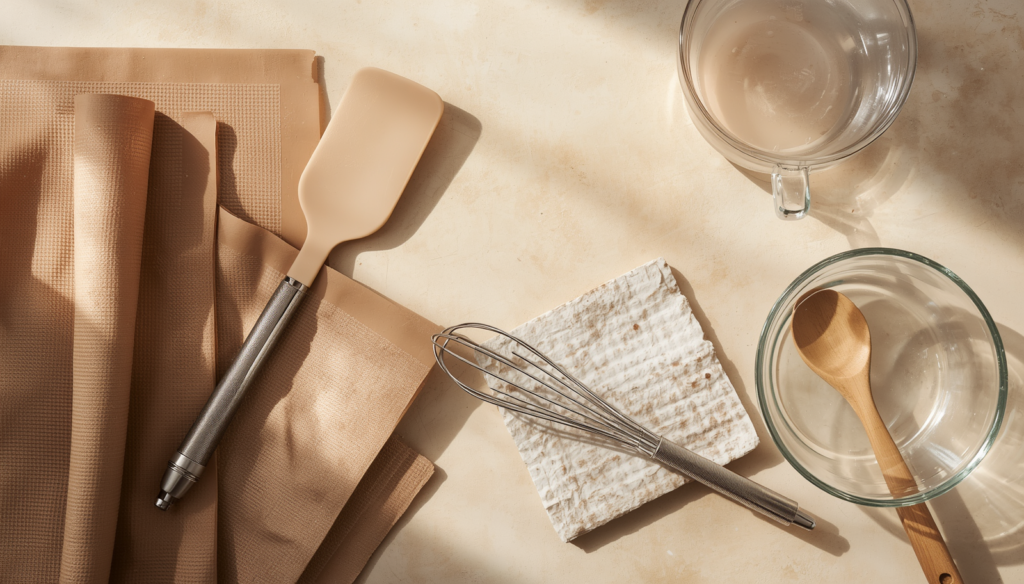
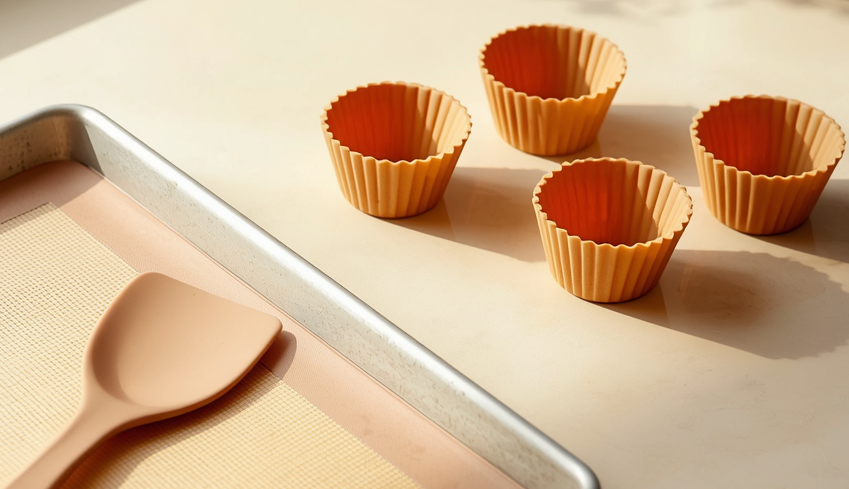
Silicone has become the kitchen material that seems to be everywhere at once: spatulas, baking mats, muffin cups, air fryer liners, freezer trays, and enough oddly specific gadgets to make an entire drawer impossible to close.
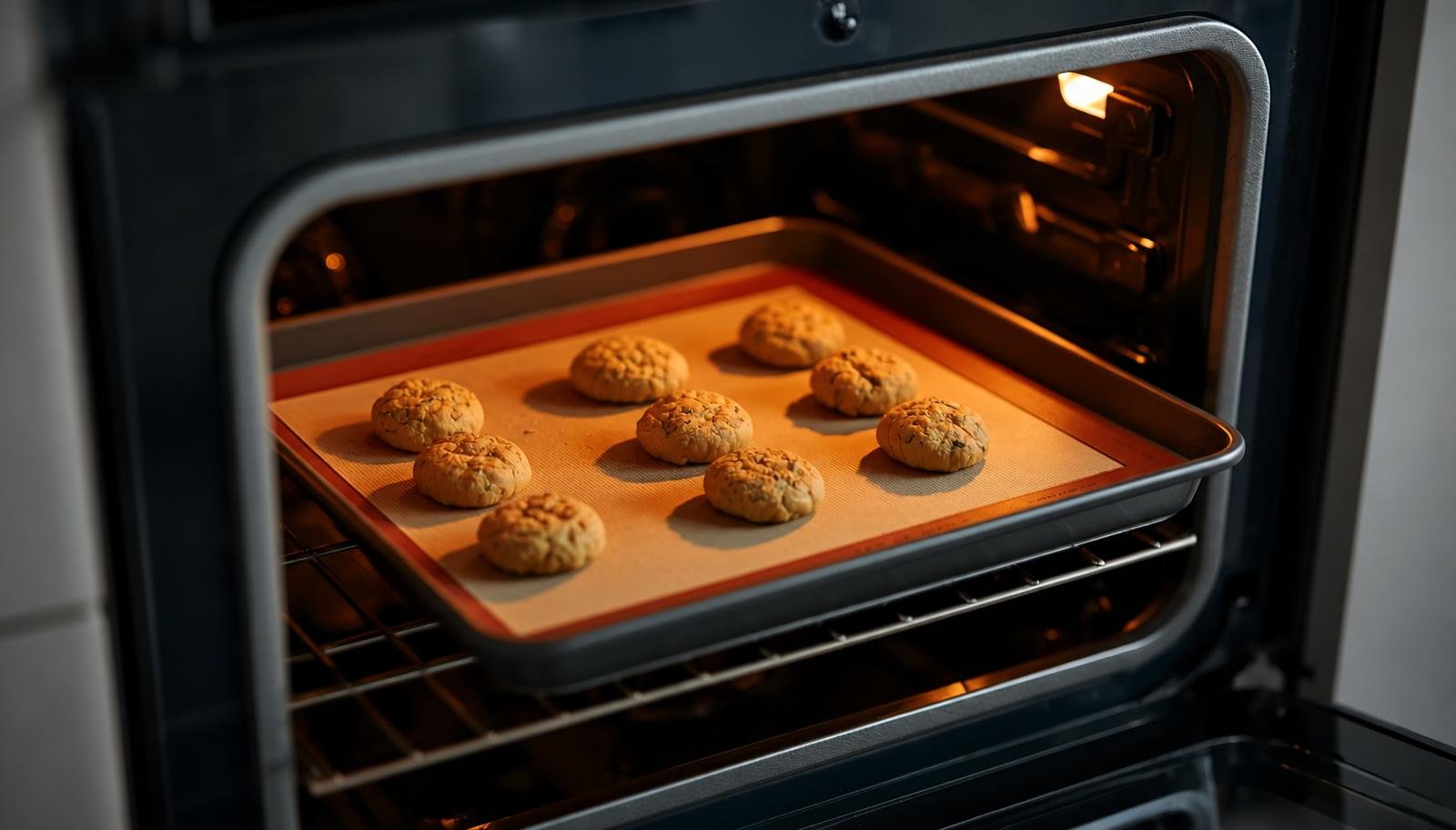
But once silicone goes into a 400°F oven, the obvious question comes up: what actually happens when it gets hot? Does it stay stable? Can anything migrate into food? And is there a point where “heat resistant” stops doing quite so much heavy lifting?
The short answer is that food-grade silicone is designed for food-contact uses, including heated applications, when it’s used within the product’s intended temperature range. But the quality of the silicone, how it was manufactured, the temperature, and how long it’s heated all matter.
Quality silicone is designed to remain relatively stable within its intended temperature range. At high enough temperatures, though, any material can begin to degrade. That’s why the maximum temperature listed by the manufacturer of your specific product matters more than a general claim that something is “heat resistant.”
The answer depends more on the
finished product than the word “silicone.”
Food-contact silicone is designed for heated kitchen use when the product is used within its stated temperature limit.
Health Canada advises against using silicone bakeware above 428°F, or 220°C.
Formulation, curing, temperature, heating time, and the type of food can all influence migration.
Retire silicone that becomes sticky, cracked, torn, starts shedding material, or permanently changes texture after overheating.
Silicone doesn’t behave exactly like many common kitchen plastics. Properly manufactured silicone is designed to stay flexible and resist heat, but that doesn’t mean every silicone product has the same temperature limit.
Within its intended temperature range, quality silicone should maintain its shape and flexibility rather than softening or melting the way many ordinary plastics can. That’s one reason it’s commonly used for baking molds, spatulas, liners, and other products that regularly come into contact with heat.
At high enough temperatures, silicone can begin to degrade. A spatula, baking mold, freezer tray, and air fryer liner may not all be designed for the same conditions, even if they look and feel similar. Check the maximum temperature listed for the individual product instead of assuming every silicone item can handle oven heat.
Silicone products can contain lower-molecular-weight siloxanes and other residual compounds left from manufacturing. Whether those compounds migrate from a finished product can depend on its formulation, curing process, temperature, length of heating, repeated use, and the type of food touching it.
That doesn’t mean heating any silicone product automatically creates a dangerous exposure. It means the quality, construction, and intended use of the finished product matter more than the broad “silicone” label.
I care more about a clearly identified manufacturer, an exact temperature limit, intended-use instructions, and meaningful testing information than a package simply announcing “food grade” or “100% safe.” Those phrases may sound reassuring, but they don’t tell you how the finished product was tested or how it should actually be used.
A stronger product gives you specific information instead of expecting the word “silicone” to answer every question.
Two products can both be marketed as silicone and still differ in formulation, curing, fillers, quality control, and intended temperature range. “Food grade” is a starting point, not a complete description of the finished product.
Start with how you plan to use the item, then look for a product designed for that exact purpose.
The information attached to the product is often more useful than the claims printed across the front of the package.
Health Canada’s general upper limit for silicone bakeware.
The manufacturer’s stated temperature limit should guide how you use the product.
Ovens, air fryers, and microwaves require different product and appliance instructions.
Stickiness, cracking, tearing, shedding, and heat damage are better replacement signals than age alone.
Silicone can be a practical kitchen material when the product is designed for your intended use and comes with clear temperature and care instructions.
I’d be more cautious when a product gives me almost no useful information or has started showing signs of degradation.
For silicone that will regularly touch hot food, I look for four things: a clearly identified manufacturer, a specific maximum temperature, clear food-contact and intended-use information, and meaningful testing or regulatory details.
A company that provides complete material and care information.
A specific maximum temperature rather than a vague heat-resistant claim.
Clear directions for oven, microwave, air-fryer, or stovetop use.
Testing or regulatory information that tells you more than “premium” or “100% safe.”
Heating silicone isn’t automatically a problem. Food-contact silicone is commonly used in kitchens because it can tolerate temperatures that would cause many ordinary plastics to soften or deform.
But “silicone” isn’t a magic word that makes every product equal. Quality, formulation, curing, intended use, temperature, and the condition of the product all matter. Use silicone kitchenware within the manufacturer’s temperature limits, retire products that are visibly degrading, and favor brands that provide useful material and testing information.
Basically, your silicone spatula doesn’t need to become the villain of breakfast. It just needs to be a decent spatula with paperwork.
Want the Broader Silicone Guide?
Learn what food-grade silicone means, how FDA and LFGB claims differ, and what to look for when choosing silicone kitchen products.